

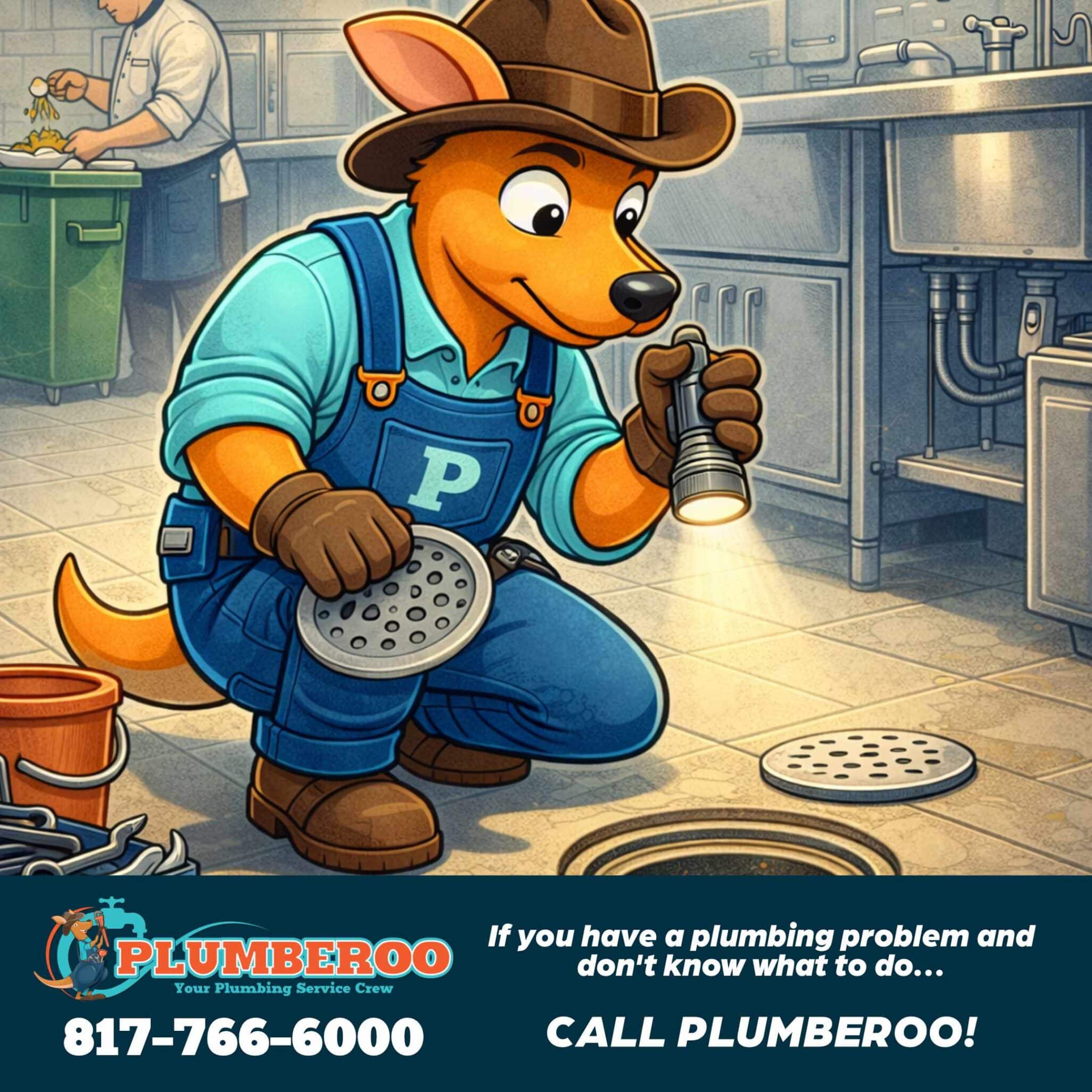
Commercial kitchens work hard — and so does their plumbing. Between grease, food debris, and constant water usage, restaurant plumbing systems face much heavier demand than most residential setups.
When problems occur, they often happen fast and can disrupt business operations. Fortunately, a few simple habits can significantly reduce the risk.
1. Keep Grease Out of the Drain
One of the biggest causes of commercial drain blockages is grease buildup.
Even when grease is hot and liquid, it cools and hardens inside pipes. Over time, it collects food particles and forms stubborn blockages.
Best practice:
- Dispose of grease in approved containers
- Never rinse grease down the sink with hot water
- Train kitchen staff to scrape grease into waste bins first
2. Scrape Food Waste Before Washing
Food scraps may seem small, but they accumulate quickly.
Before dishes go into sinks or dishwashers:
- Scrape plates and pans into the trash
- Avoid sending fibrous foods (like celery or onion skins) into drains
- Use strainers where possible
These simple steps reduce the load on drains.
3. Maintain Grease Traps
Grease traps are designed to capture fats, oils, and grease before they reach plumbing lines.
If traps aren’t cleaned regularly, they stop doing their job.
Routine maintenance prevents:
- Sewer odors
- Drain backups
- Health code issues
4. Pay Attention to Early Warning Signs
Small plumbing issues often appear before a major problem develops.
Watch for:
- Slow drains
- Gurgling sinks
- Water backing up into floor drains
- Unusual odors from drains
Catching these signs early can prevent emergency closures.
Buck’s Advice
In commercial kitchens, plumbing problems don’t just create inconvenience — they interrupt service and impact business.
A little preventative attention can keep things flowing and avoid costly surprises during busy hours.