

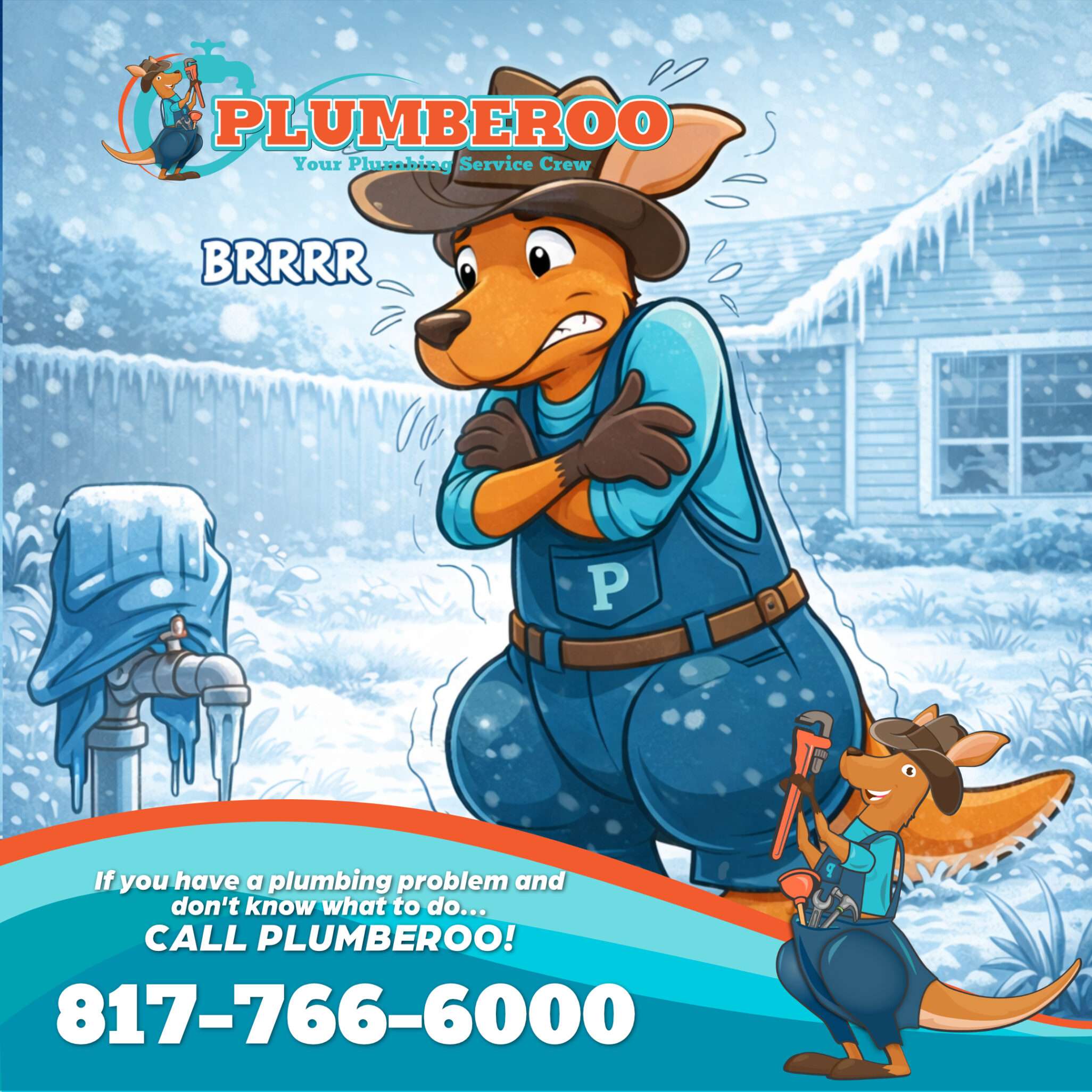
Texas homes are built for heat, not prolonged cold. When temperatures drop into the 20s for several nights in a row—with daytime highs staying low—pipes don’t just freeze once. They stay cold, pressure builds, and that’s when cracks, bursts, and hidden leaks happen.
If we’re heading into a multi-day hard freeze, here’s how to protect your plumbing before problems start.
1. Protect Outdoor Faucets and Exposed Pipes
Outdoor faucets, hose bibs, and any exposed piping are the first to freeze.
- Disconnect all hoses
- Install insulated faucet covers
- Wrap exposed pipes with insulation or heat tape
Even one uncovered faucet can freeze and burst inside the wall.
2. Drain and Shut Down Irrigation Systems
Irrigation lines often run shallow and freeze quickly.
- Shut off the irrigation supply
- Drain the system completely
- If possible, blow out lines
Irrigation leaks often go unnoticed until the ground thaws—and by then, damage is done.
3. Keep Water Moving Inside the House
Moving water freezes more slowly.
- Let faucets drip slightly, especially on exterior walls
- Prioritize older homes and plumbing on north-facing walls
A slow drip can relieve pressure and prevent pipe failure.
4. Open Cabinets and Interior Doors
Warm air helps protect pipes.
- Open cabinets under sinks
- Open interior doors to improve airflow
- Pay special attention to kitchens, bathrooms, and laundry rooms
5. Don’t Forget Garages and Utility Areas
Garages, laundry rooms, and mechanical closets are common trouble spots.
- Insulate exposed pipes
- Close garage doors at night
- Use safe space heaters only if necessary and supervised
6. Know Where Your Main Water Shutoff Is
If a pipe does freeze or burst:
- Knowing how to shut off the water quickly can prevent major damage
- Make sure everyone in the household knows where it is
This one step can save thousands of dollars.
Buck’s Advice
Most freeze damage doesn’t happen during the first cold night—it happens after days of sustained freezing. Taking time to prepare now is far easier than dealing with repairs later.
If you’re not sure whether your home is properly protected, it’s better to check before temperatures drop and stay there. If you need help with that, call us TODAY.